HOW I SEE PEOPLE
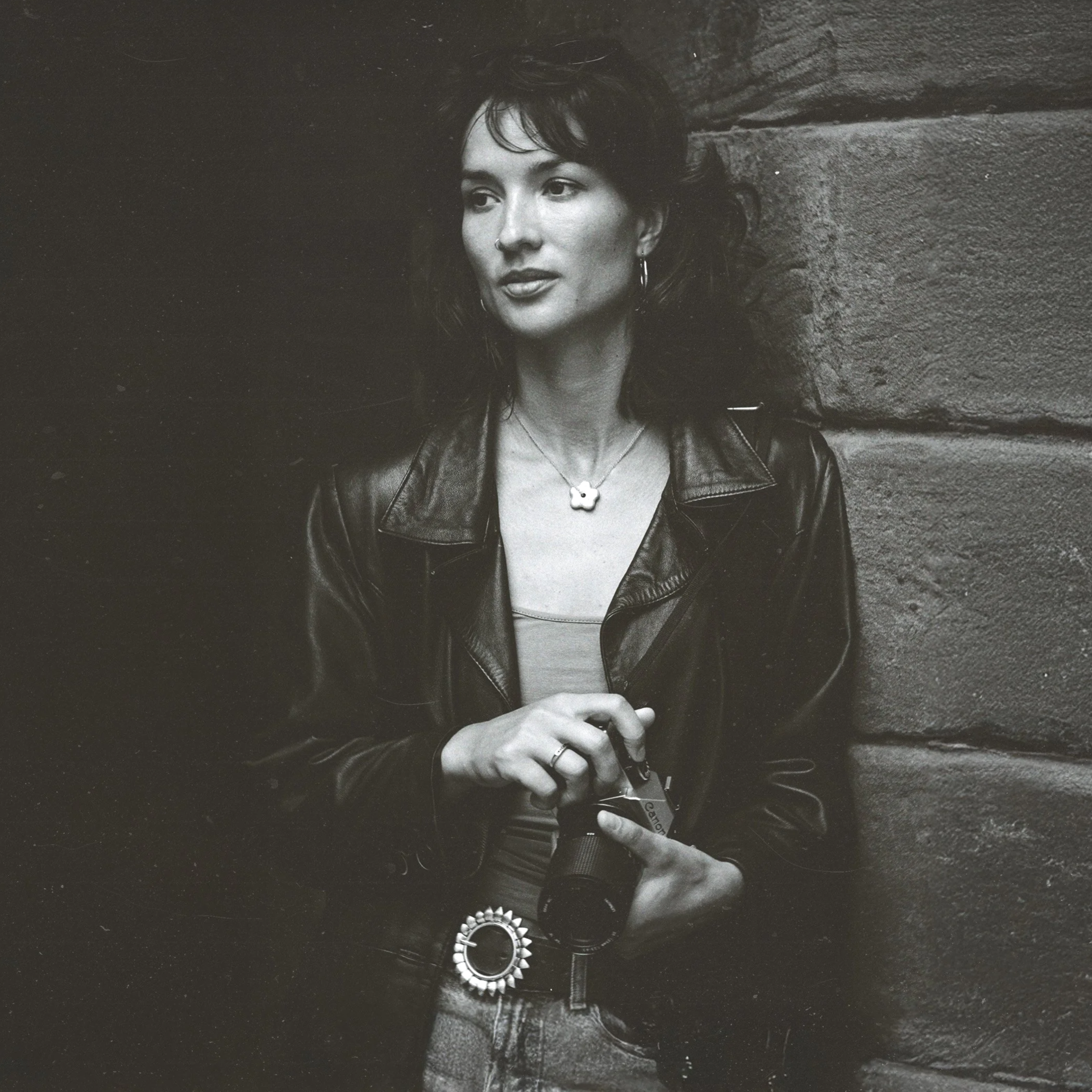
Most of the people you see in my work are not models. For many of them, it’s their first photoshoot ever. And I understand how vulnerable it can feel to be in front of a camera, not knowing what to do with your body, your hands, your face. That feeling is normal.
I believe it’s the photographer’s responsibility to guide the entire process — gently, clearly, and with attention. My work is not only about pressing the shutter. It’s about connection, observation, timing, and the ability to make people feel safe enough to be themselves.
Natural emotions don’t appear by accident.
They come from trust, direction, and presence.
When I work with professional models, I can be quiet and simply observe. But when I work with real people — couples, families, individuals — direction becomes a big part of my work. Sometimes I talk a lot, sometimes I step back. I read the energy, adjust the pace, and guide without forcing.
I don’t expect performance.
I guide movement, suggest actions, and leave space for real moments to appear.
Behind calm, honest photographs there is always active work — social skills, emotional awareness, experience, and intention. Photography, for me, is as much about people as it is about light and composition.
My Process
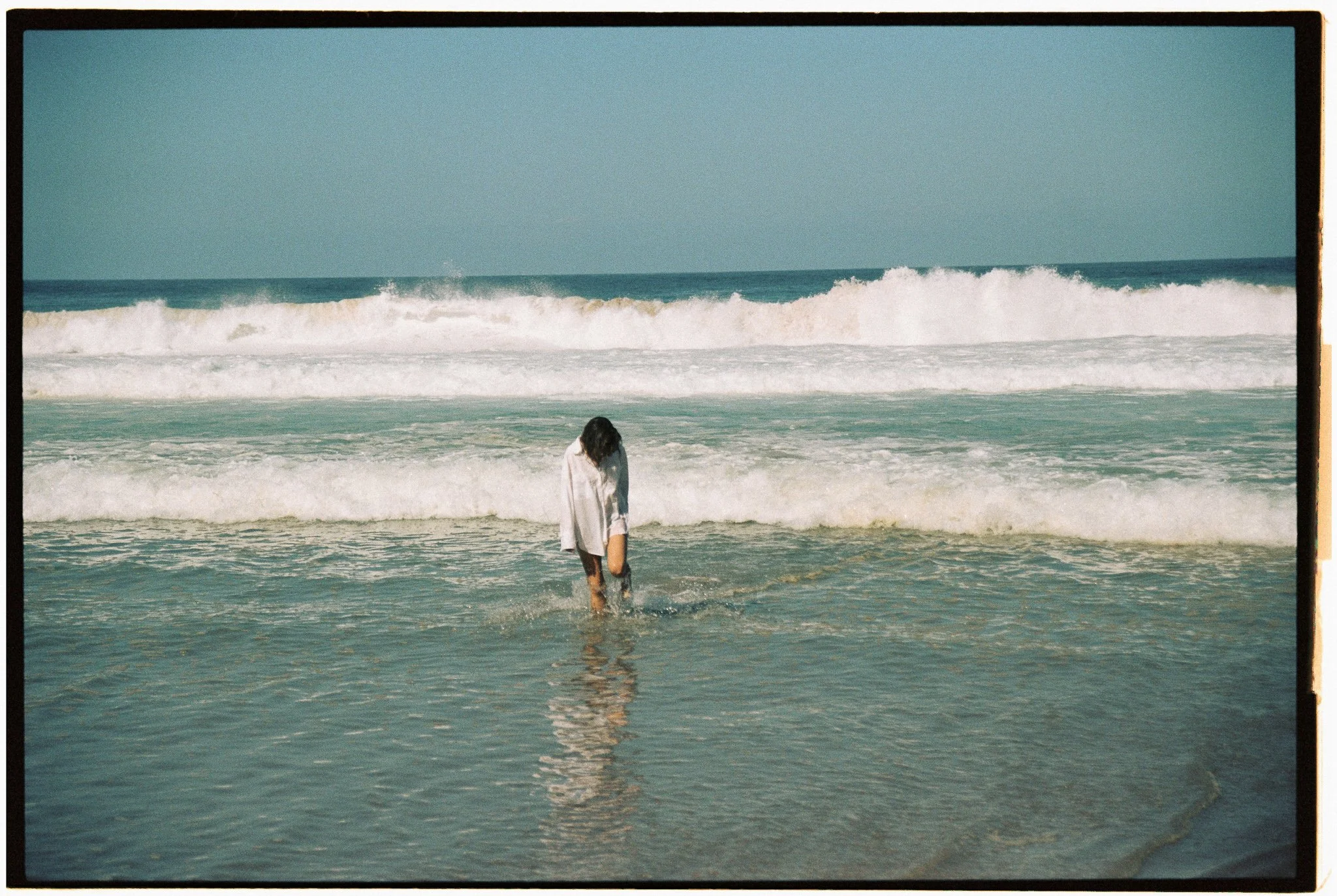
My process is slow, structured, and intentional.
I photograph mostly on film — about 85% film and 15% digital — by choice, not by trend. Film is my medium. It’s the tool that allows me to focus fully on composition, connection, and directing, knowing that the colors and textures will feel natural and alive.
I spent many years working digitally, building technical skills and understanding light. For a long time, I tried to make digital images look like film — and that constant attempt brought more frustration than satisfaction. Film gave me relief. It simplified my work and made it more enjoyable.
Film is inconvenient. It’s expensive. It requires patience and experience.
And it gives me something I was never able to recreate digitally: depth, texture, subtle imperfections, and consistency of feeling.
For client work, I use professional labs to ensure reliable and consistent results. For my personal work, I develop film at home. The process itself is meditative for me — measuring chemistry, controlling temperature, waiting, scanning negatives, studying colors and textures. It’s a structured ritual that brings me calm.
This approach allows me to stay fully present during sessions. I don’t chase perfection. I trust the process.

Styling & Preparation
Outfits are an important part of the storytelling.
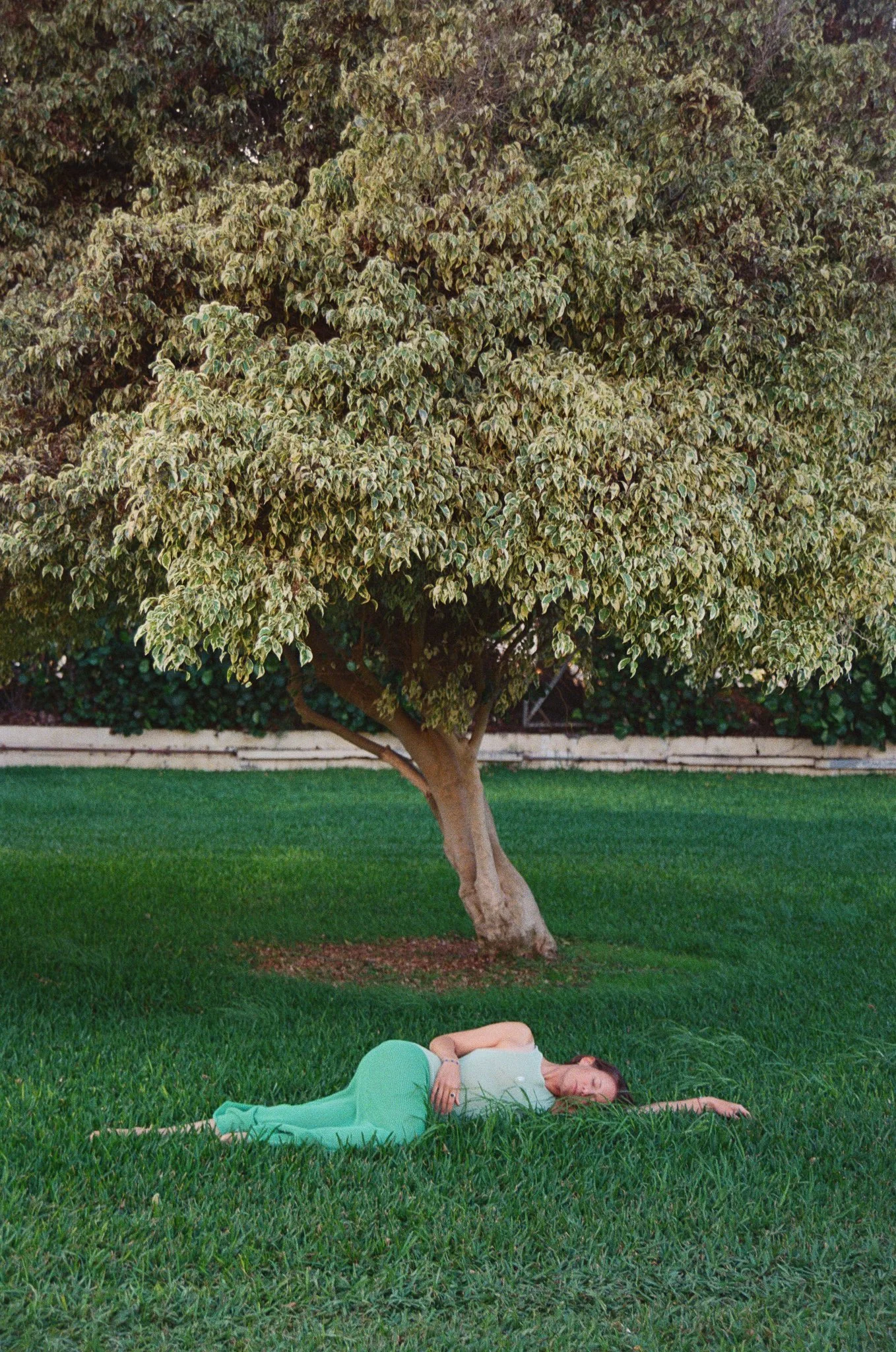
I don’t have rigid styling rules, but I always discuss clothing before the shoot. I guide clients toward natural materials, plain colors, and comfortable fits. We move during sessions. We sit on the ground, walk, sometimes lie on the sand — comfort matters.
There are colors I personally avoid, not because they are “bad,” but because I don’t like how they interact with film and natural locations. At the same time, if someone has a strong personal style — something extraordinary, expressive, or unconventional — I’m always open to it. My goal is not to erase personality, but to help it shine in a way that feels harmonious.
If styling feels stressful, I help. Preparation is always part of my work.
Personal Work & Artistic Practice
Photography is not only my job. It’s part of my life.
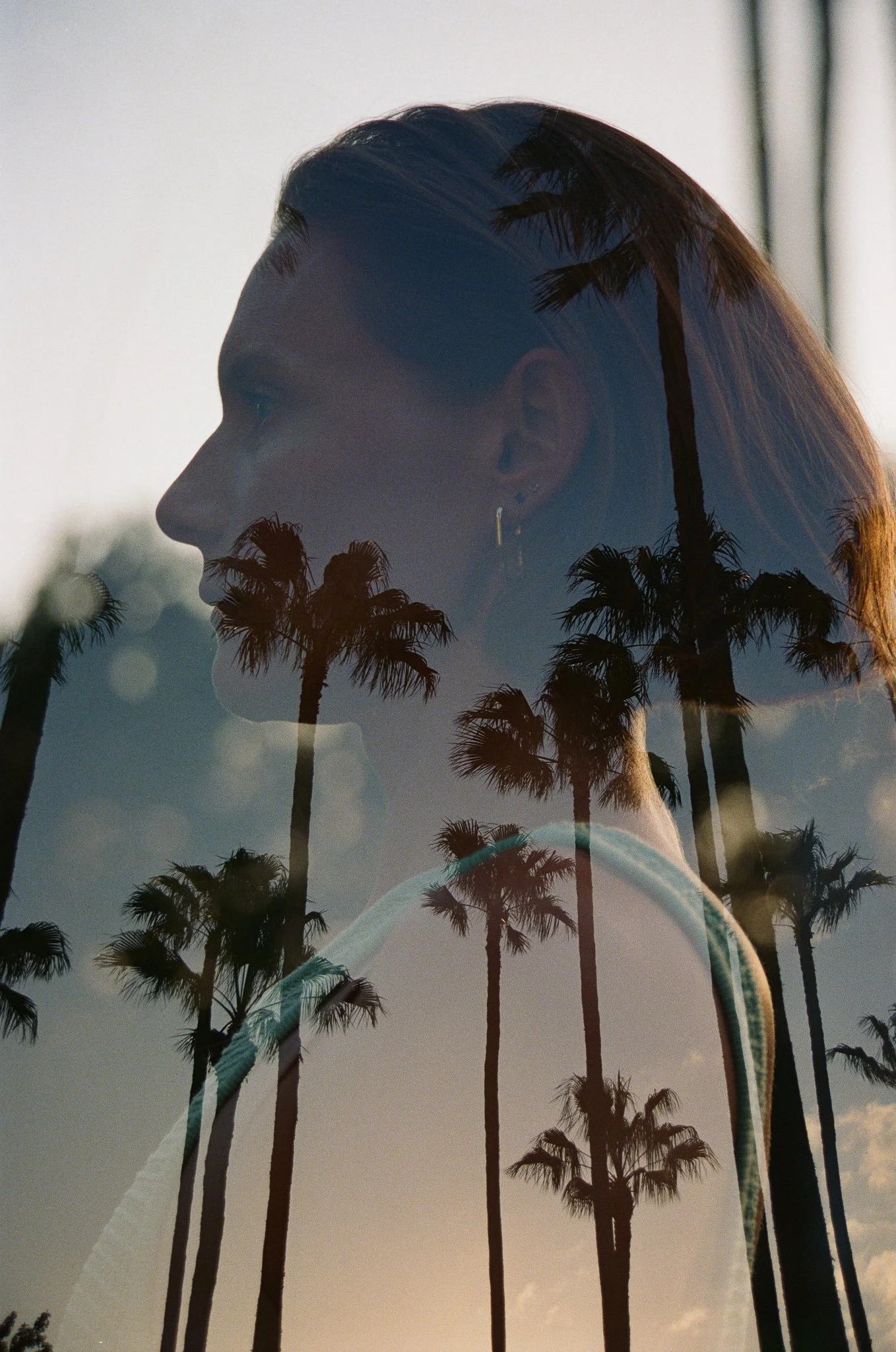
I invest time, money, and energy into learning, experimenting, and developing my eye — and it never feels wrong. I love trying new film stocks, techniques, and especially in-camera double exposures.
Alongside photography, I work with other analog and manual processes: Polaroids, cyanotype, collage, painting. These practices are not separate from my photography — they feed it. They help me see differently, slow down, and stay connected to my artistic intuition.
Much of this work is about relaxation and meditation. About doing something with my hands. About allowing imperfection. About staying curious.
Tenerife as a Feeling
I’m drawn to simple locations and relaxed sessions.
I photograph moments that don’t require big planning or posing — family walks, quiet time together, being present in a place and moment of life. Especially moments that feel ordinary.
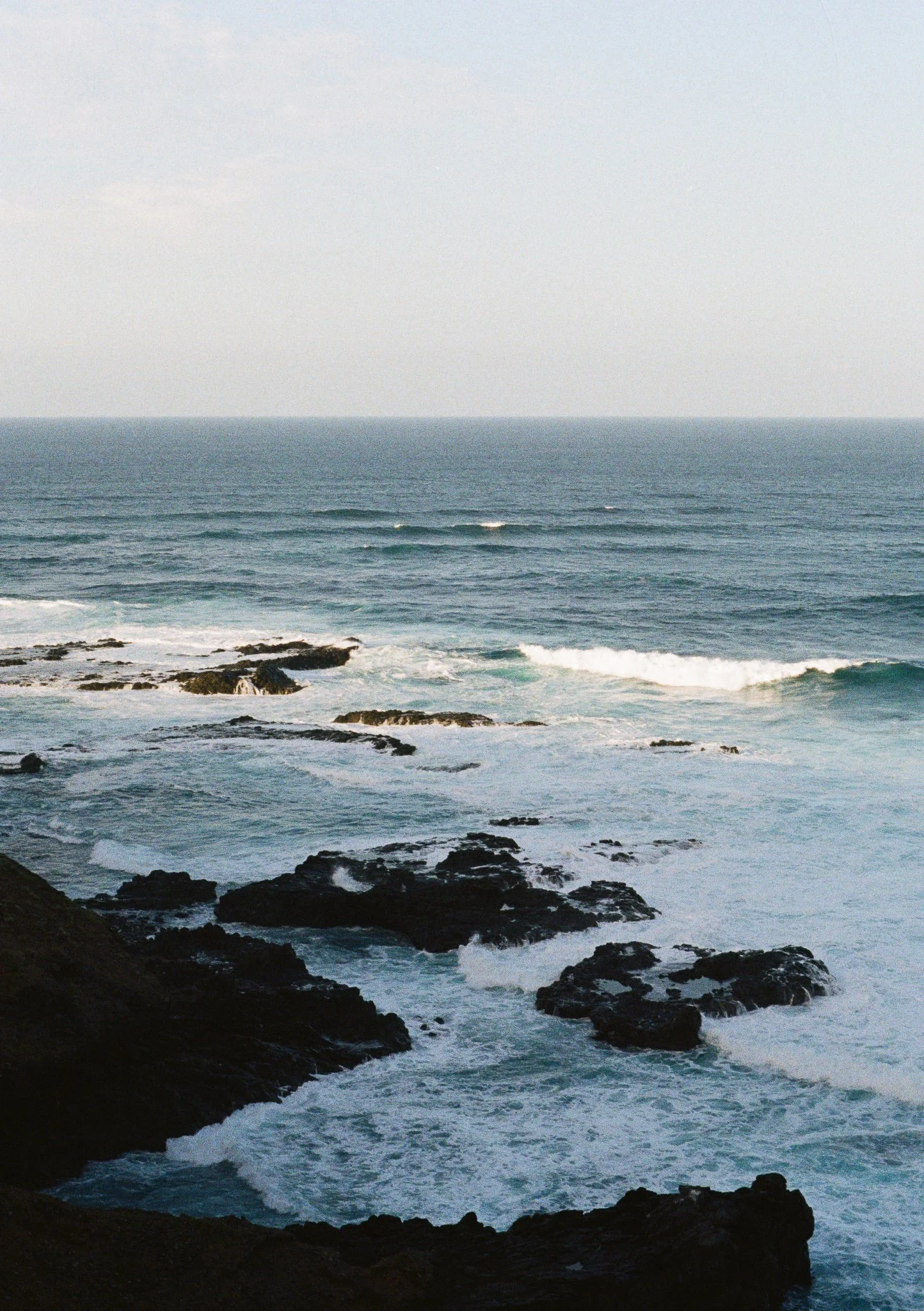
Tenerife, for me, is not a backdrop. It’s a feeling. Light, wind, open space, calm. I work with what’s already there, without forcing scenes or performances.
These photographs are not about looking impressive.
They are about remembering how life felt
Invitation
My work is not for everyone — and I’m grateful for that.
I share my work openly so people can feel whether it resonates with them. When it does, the process feels easy, honest, and aligned. When it doesn’t, that’s okay too.
I work mainly with couples, families, and individuals who want to remember themselves as they are — in this age, this phase, this ordinary moment of life.
Especially if it feels ordinary.